
Rebuilding Hope: How Small Donations Transform Families in Crisis
3 Min
Read
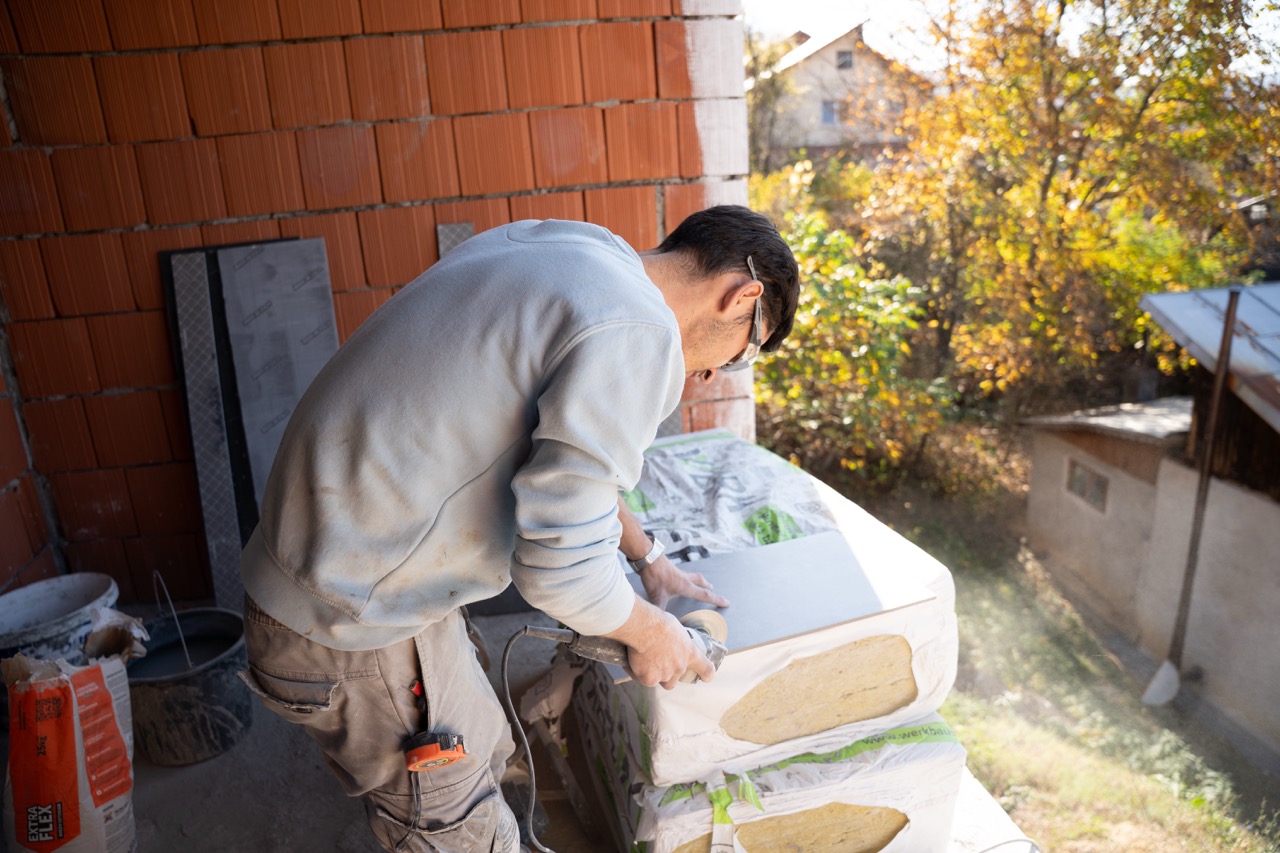
It’s easy to focus on large, high-profile projects. However, for families devastated by poverty and hardship, small, consistent donations hold a unique and vital place as a lifeline. Every small contribution, whether it’s a few dollars, a box of food, or a school backpack, plays an essential role in our fight to rebuild lives.
Small donations are important because they represent the collective power of a community coming together to help those in need. While one small donation may seem insignificant on its own, when combined with thousands of others, it becomes a powerful force.
Small Donations Are Accessible to Nearly Everyone
Not everyone can fund the construction of an entire house, but nearly anyone can "buy a brick," help with a utility bill, or give a small monthly amount for food. This inclusivity empowers individuals from all walks of life to participate in the mission, fostering a culture of generosity and shared responsibility.
From a Logistical Perspective, Frequent Small Donations Are Vital
Our family aid projects rely on a constant supply of resources to meet the ongoing demand. This includes:
- Home Building/Repairs: We need a steady fund for construction materials to intervene quickly when a family loses their home or lives in dangerous conditions.
- Educational Support: School supplies, backpacks, and clothing for children must be purchased at the start of the school year.
- Food Aid: The "Tabor Pantry" project requires regular funds to purchase and distribute basic food staples.
Large, sporadic donations are a blessing, but they may not provide the reliable, day-to-day support needed. Small, consistent donations create a predictable budget and allow us to plan these interventions effectively.
An Investment in a Family's Future
When people give even a little, they become more invested in the cause. This often leads to spreading the word, volunteering time, and inspiring others to contribute as well.
The need to support broken families and children at risk of dropping out of school is huge. Small donations provide the consistent foundation needed to build these comprehensive programs.
Finally, small donations matter because they embody compassion. Each small act of giving reflects kindness and empathy, reminding those in need that they are not alone. For a family receiving the key to a renovated room or food for a month—made possible by many small donations—it is a lifeline. This emotional and spiritual support is just as critical as the physical aid.
In conclusion, small donations are not just important; they are indispensable to the success of our work with families. They create a sustainable and inclusive model that empowers the community, supports our logistics, and delivers hope.